The Gut-Skin Connection: How Your Diet Could Be Causing Acne
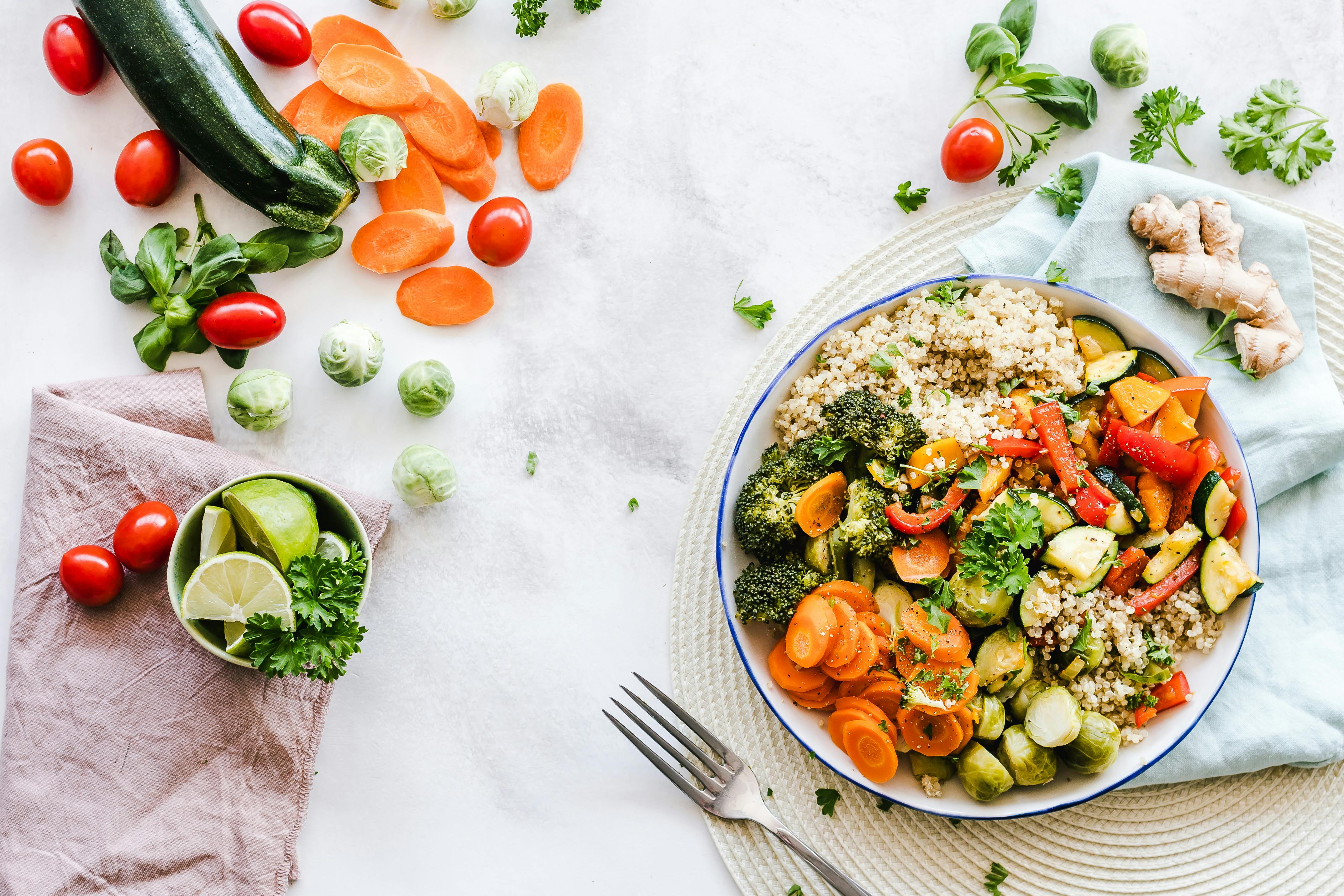
Are you tired of battling stubborn acne despite trying countless skincare products? The answer to clearer skin might lie in your gut. Emerging science reveals a strong link between gut health and acne, often called the gut-skin axis. Your diet plays a crucial role in this connection, influencing not just digestion but also inflammation and skin clarity.
What Is the Gut-Skin Axis and Why It Matters?
The gut-skin axis is the communication network between your gastrointestinal tract and your skin. A healthy gut microbiome maintains balance, fights harmful bacteria, and regulates inflammation. When this delicate ecosystem is disrupted—through poor diet, stress, or antibiotics—your body may react with systemic inflammation, triggering or worsening acne breakouts.
How Your Diet Can Trigger Acne Through the Gut
1. High Glycemic Index Foods
Eating foods high in sugar and refined carbs like white bread, sweets, and sugary drinks causes blood sugar spikes. These spikes lead to increased insulin production, which stimulates excess sebum (oil) production in your skin. More oil means clogged pores, inflammation, and acne.
2. Dairy and Acne
Research suggests that dairy products, especially skim milk, may contribute to acne by affecting hormone levels such as IGF-1 (Insulin-like Growth Factor 1). These hormones can increase oil production and inflammation in the skin.
3. Inflammatory Processed Foods
Highly processed foods with unhealthy fats and additives can damage the gut microbiome. This leads to intestinal permeability or “leaky gut,” allowing toxins to enter the bloodstream and promote skin inflammation and acne.
4. Lack of Fiber and Nutrients
A diet low in fiber starves beneficial gut bacteria, reducing their ability to fight inflammation. Fiber-rich foods also help regulate blood sugar levels, crucial for acne-prone skin.
Best Foods to Support Gut and Skin Health
-
Probiotics: Yogurt, kimchi, kefir, and sauerkraut improve gut bacteria balance and reduce inflammation.
-
Prebiotics: Garlic, onions, asparagus, and bananas feed good gut bacteria.
-
Omega-3 Fatty Acids: Found in salmon, chia seeds, and walnuts, omega-3s calm inflammation and improve skin texture.
-
Antioxidant-Rich Foods: Blueberries, spinach, and green tea protect skin cells from oxidative stress.
Lifestyle Tips to Improve Your Gut-Skin Health
-
Avoid sugary and processed foods to reduce inflammation.
-
Limit or monitor dairy intake if you notice acne flare-ups.
-
Incorporate fermented foods and fiber daily.
-
Stay hydrated to support digestion and skin moisture.
-
Manage stress through mindfulness or yoga as it impacts gut health.
FAQs About Diet, Gut Health, and Acne
Q1: Can improving gut health really clear acne?
A1: Yes! Many studies confirm that a balanced gut microbiome lowers inflammation and supports clearer skin.
Q2: How soon can I see results after changing my diet?
A2: Skin improvements typically appear within 4 to 8 weeks after adopting a gut-friendly diet.
Q3: Are probiotics safe for everyone with acne?
A3: Generally, yes. However, consult your doctor if you have any health conditions or are taking medications.
Final Thoughts
Acne is often a symptom of internal imbalance. By focusing on a diet that nurtures your gut microbiome, reduces inflammation, and stabilizes blood sugar, you can combat acne naturally from the inside out. Take charge of your gut health today for radiant, clear skin tomorrow.


Comments
Post a Comment