Dairy and Acne: What the Science Says About Cutting Out Milk for Better Skin
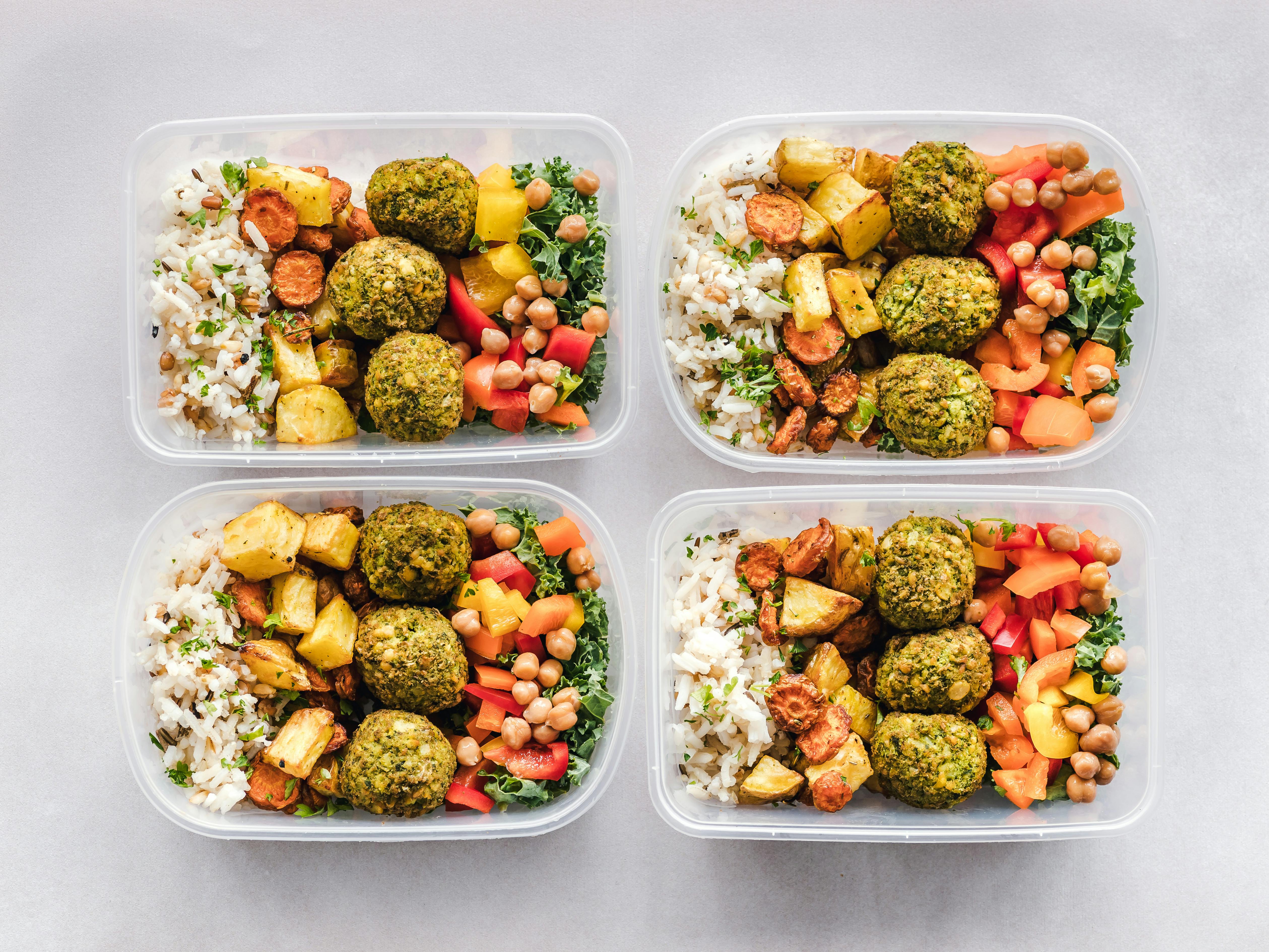
Are your breakouts being caused by what’s in your fridge? More people — especially in the U.S. — are questioning whether milk and dairy products are linked to acne. While dairy has long been promoted as part of a healthy diet, emerging science is connecting it to skin problems, particularly acne-prone skin.
If you’ve been wondering whether cutting out milk might clear up your skin, here’s what the latest research says — and how to approach it safely.
What’s the Link Between Dairy and Acne?
Research shows a strong correlation between dairy consumption and acne, especially among teenagers and young adults in Western countries. Several studies, including one published in the Journal of the American Academy of Dermatology, suggest that skim milk, in particular, is associated with increased acne.
Key Reasons Dairy May Trigger Acne:
-
Hormones in Milk
Even organic milk contains natural hormones like IGF-1 (Insulin-like Growth Factor 1), which can stimulate oil production and clog pores — key contributors to acne. -
Inflammatory Response
Dairy may cause inflammation in some people, especially those with lactose sensitivity. Chronic inflammation is a major driver of acne flare-ups. -
Increased Insulin Levels
Some dairy products cause spikes in insulin, which stimulates oil glands and boosts androgen hormones, both linked to acne formation.
Not All Dairy Is Equal
Interestingly, not all dairy products affect the skin the same way. Here's what research and anecdotal evidence show:
-
Skim Milk: Most commonly linked to acne, possibly due to its hormone content and how it's processed.
-
Cheese & Yogurt: Less likely to cause breakouts, especially if fermented (yogurt may even support gut health).
-
Whey Protein: Found in many supplements, whey can trigger acne in sensitive individuals due to its insulinogenic effect.
Should You Cut Out Dairy to Clear Acne?
For many, eliminating or reducing dairy results in visibly clearer skin within a few weeks. If you’re acne-prone and have tried everything else, a 4-week dairy-free trial may be worth trying.
How to Start a Dairy-Free Skin Detox:
-
Remove milk, cheese, butter, yogurt (except plant-based), and whey protein from your diet.
-
Replace with non-dairy alternatives like almond milk, oat milk, coconut yogurt, and plant-based cheeses.
-
Track your skin changes weekly — look for reduced redness, fewer breakouts, and quicker healing.
Foods to Support Clear Skin Without Dairy
To support your skin during your dairy-free trial, add these acne-fighting foods:
-
Leafy greens (spinach, kale) – high in vitamin A and zinc
-
Fatty fish (salmon, sardines) – packed with omega-3s
-
Berries – full of antioxidants and anti-inflammatory compounds
-
Avocados – healthy fats that nourish skin
-
Fermented foods – like kimchi and sauerkraut, for gut health
FAQs: Dairy and Acne
Q: How long after cutting dairy will my acne improve?
A: Many people see improvement in 2 to 4 weeks, but it can take longer depending on your skin type and diet.
Q: Can yogurt be good for your skin?
A: Unsweetened, fermented yogurt may be less inflammatory and can support gut health, which may help acne.
Q: Are plant-based milks better for acne-prone skin?
A: Yes. Almond, oat, and coconut milk are popular, acne-safe options.
Q: Will cutting out dairy affect my calcium levels?
A: Not if you eat leafy greens, almonds, tofu, and fortified plant-based milks that are rich in calcium.
Final Thoughts
Dairy may not be the sole cause of your acne, but for many people, it's a significant trigger. Backed by research and countless success stories, cutting back or eliminating milk could be the skin reset your body needs. If you're tired of breakouts, try going dairy-free — your skin might thank you.


Comments
Post a Comment